Platform decisions
When to Switch Course Platforms
A practical decision guide for course creators who feel boxed in by their current platform and want to know whether switching will actually improve the offer, launch, and student experience.
If you are frustrated with your course platform, switching can feel like the clean answer. The page builder is clunky, the course player feels dated, students ask where to start, or your premium course looks like it belongs inside someone else's generic template.
A switch can be worth it, but only when it solves a business or student-experience problem. Moving platforms creates work: migration, testing, communication, new checkout flows, and sometimes new limits. The decision should be tied to the next version of your course business, not only to irritation with the current tool.
Separate platform problems from offer problems
Before comparing alternatives, name the real problem. A platform can help with presentation, checkout, organization, analytics, and student access. It cannot clarify an unclear offer, create demand, or make an unfocused curriculum feel valuable.
| Symptom | Likely platform problem | Likely offer problem |
|---|---|---|
| Visitors do not buy | The page is slow, generic, or hard to trust. | The promise, audience, or price is unclear. |
| Students ask where to begin | The player and onboarding are confusing. | The course path has no obvious first win. |
| The course feels cheap | Branding and layout are too constrained. | The offer does not explain why it is premium. |
| Launch setup takes too long | The tool has too many disconnected parts. | The launch plan keeps changing. |
Good reasons to switch course platforms
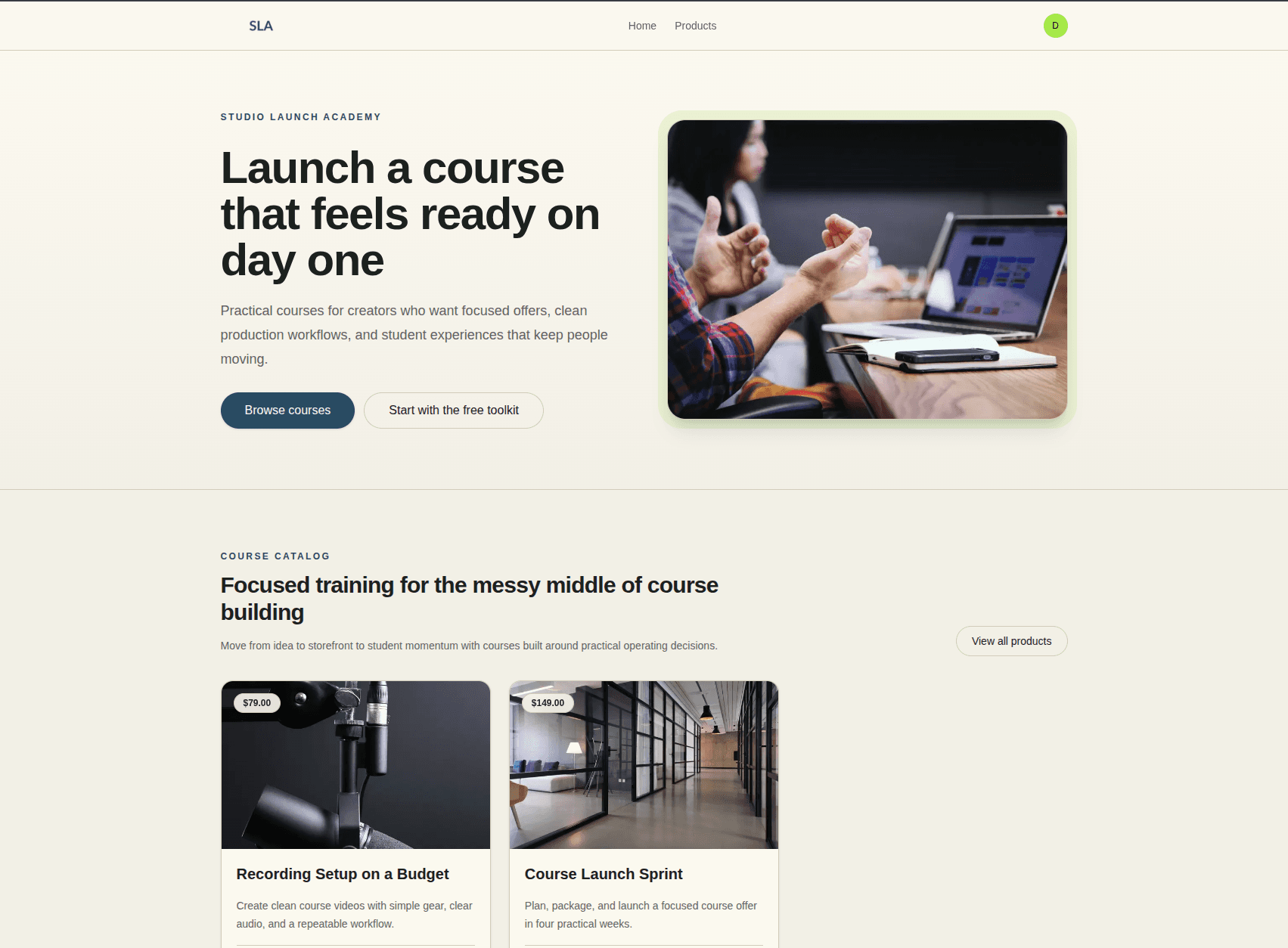
- Your course site feels generic compared with the price and promise of your offer.
- Students struggle to find the next lesson or resume learning.
- Your launch needs a cleaner storefront and checkout path.
- You want closer setup support for one flagship course instead of broad self-serve tooling.
- You are rebuilding your course experience anyway and can migrate carefully before the next launch.
- Your current platform makes simple changes feel risky or slow.
- Your brand has outgrown the templates and page structure available to you.
Good reasons to wait
- You need subscriptions, bundles, coupons, guest checkout, or community on day one.
- Your current launch is already in motion and switching would add risk.
- You do not yet know which course offer is worth building around.
- The main problem is weak positioning, not the buying or learning experience.
- You have active students and no clear migration communication plan.
- You would spend more time recreating old complexity than improving the new experience.
Decision filter
Switch when the new platform makes the next launch clearer, the buying path smoother, or the student experience easier to trust. Wait when the move mostly gives you a new interface for the same unclear offer.
Compare alternatives by job, not feature count
Feature checklists can be misleading. A platform with hundreds of features may still be the wrong tool if your real need is a polished flagship course experience. Start with the job the platform needs to do for your next twelve months.
| Platform direction | Best fit | Watch out for |
|---|---|---|
| All-in-one course suite | Creators who need broad commerce, memberships, coupons, and many product types. | Setup can become broad and self-serve, even when you only need one excellent course. |
| Marketplace platform | Creators who want built-in discovery and are comfortable with marketplace constraints. | Brand control, pricing control, and student ownership may be limited. |
| LMS or community tool | Programs where cohort structure, discussion, or institutional learning matters most. | The storefront and premium buying experience may feel secondary. |
| Focused premium-course platform | Solo experts launching one flagship course or a small serious catalog. | You should confirm the specific commerce and content features you need today. |
Plan the migration like a launch
Migration is not just moving videos. It is an opportunity to improve the course promise, page structure, lesson order, student onboarding, and post-purchase communication. Treat it like a product release.
- Audit the current course and remove anything students do not need.
- Rewrite the product page before rebuilding it in the new tool.
- Move the core course path first, then optional extras.
- Test checkout, access, email links, and lesson resume behavior.
- Invite a small group through the new flow before a public relaunch.
- Tell existing students exactly what is changing, what is not changing, and where to go next.
Questions to ask before you move
- What exact problem am I trying to solve before the next launch?
- Which current features are truly required and which are inherited clutter?
- Will the new platform make the course feel more trustworthy to a first-time buyer?
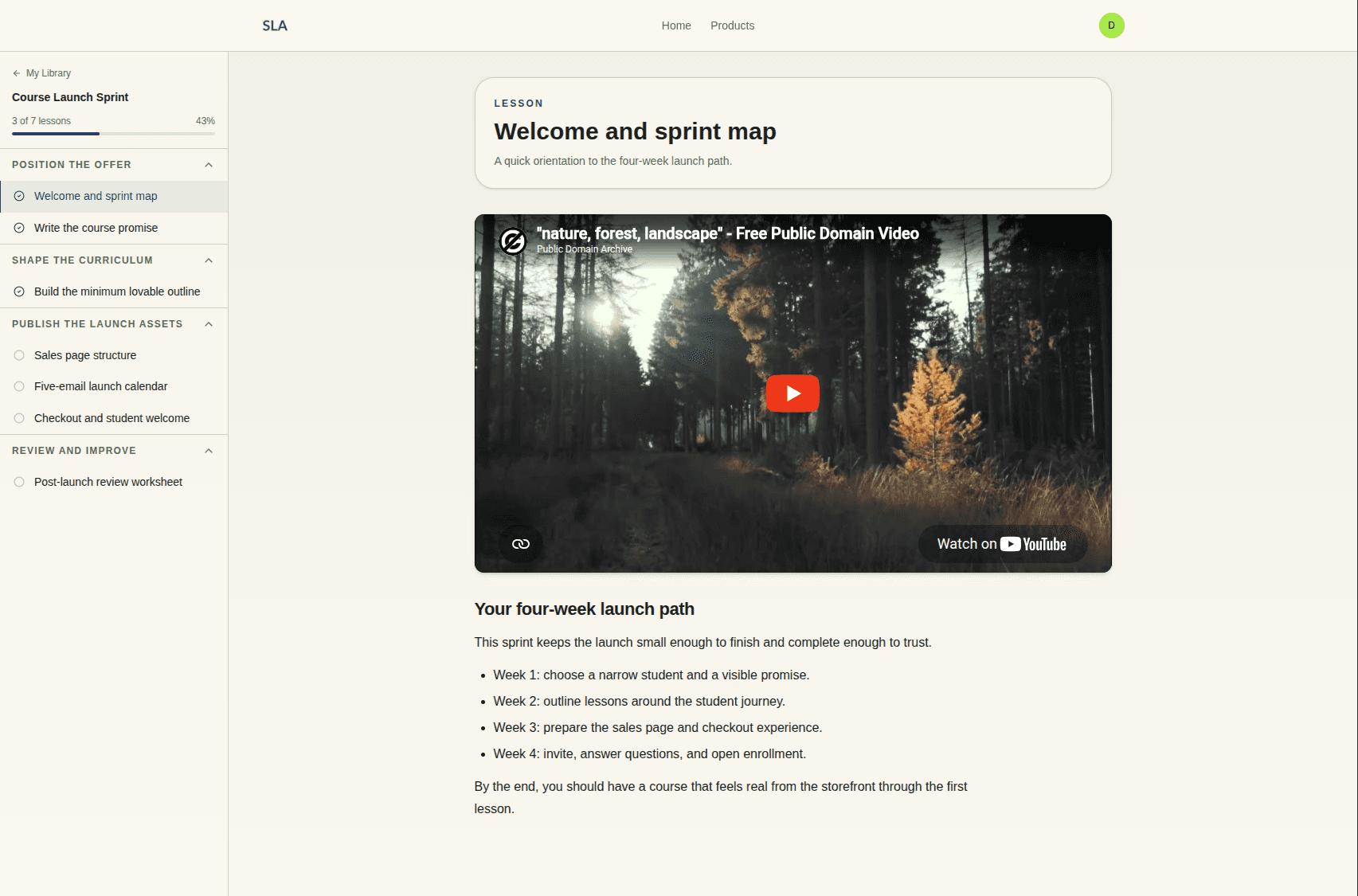
- Can students find the first lesson and resume learning without support?
- How much migration time can I afford without delaying revenue?
- What would make this switch obviously worth it six months from now?
Crelio fit
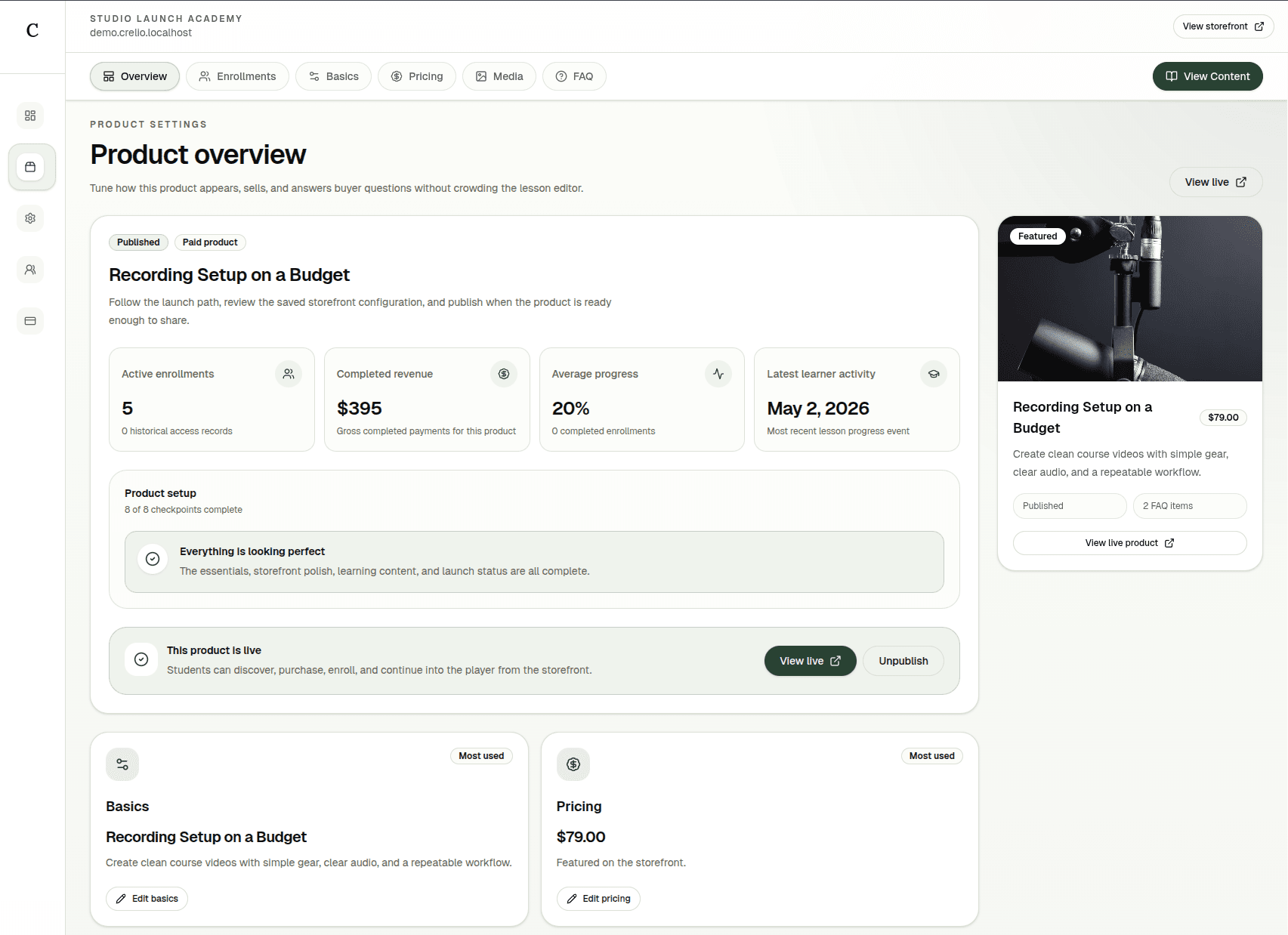
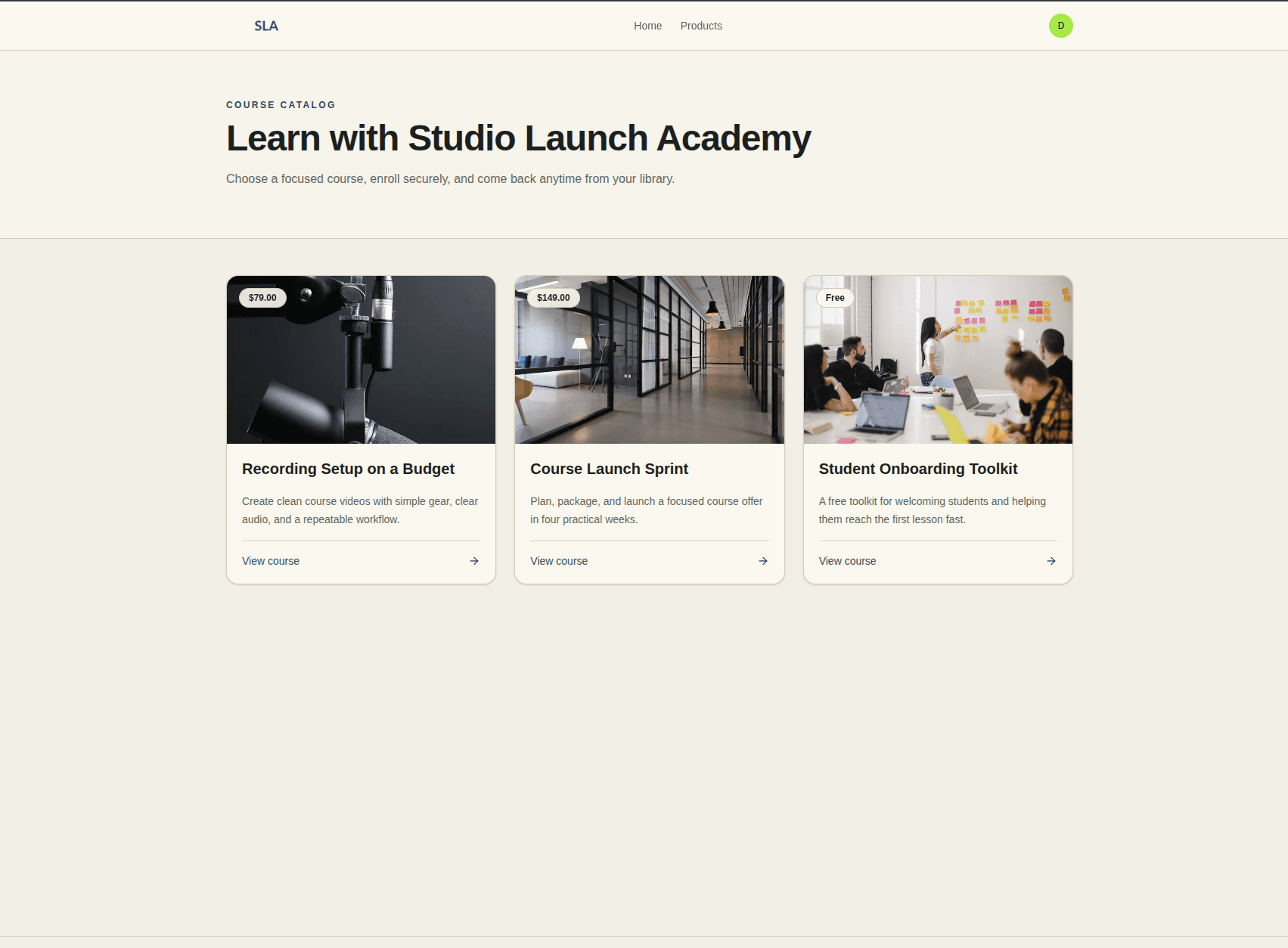
Crelio is best evaluated for one premium flagship course or a small catalog where brand feel, guided setup, and learner experience matter more than all-in-one breadth.
Comparing platform options?
Use the comparison pages to evaluate Crelio honestly against broader course platforms before you move anything.
Read a comparisonFrequently asked questions
Should I switch platforms before launching a course?
Only if the switch directly improves launch trust, student experience, or operational clarity. If switching delays the offer without improving those things, wait.
What is the safest way to migrate an online course?
Move the core course path first, test the purchase and access flow, invite a small group through the new experience, then communicate clearly with existing students before a public relaunch.
How do I compare course platform alternatives?
Compare alternatives by the job you need done: branded storefront, checkout, course delivery, student progress, community, subscriptions, or broad product catalog. Feature count matters less than fit for your next launch.
Is a generic-looking course site a serious problem?
It can be, especially for a premium course. If the site does not match the price, promise, or expertise behind the offer, buyers may hesitate before they ever reach the curriculum.