Course launch
Course Launch Checklist for Solo Experts
A practical course launch checklist for solo experts preparing one premium flagship course, with the offer, page, checkout, and first learner experience ready before launch day.
A course launch can become strangely heavy when you are doing it alone. You start with a clear idea, then suddenly you are choosing a platform, writing a sales page, recording lessons, connecting payments, answering objections, and wondering whether the course is actually ready to sell.
This checklist is designed for solo experts launching one serious course, not for teams building a full academy. The goal is to help you make the offer easy to understand, the buying path easy to trust, and the first student session easy to start.
Launch readiness
You are ready to launch when a best-fit buyer can answer three questions quickly: Is this for me? What will change if I finish it? What happens after I pay?
Start with the smallest credible launch
The easiest launch to finish is narrow. That does not mean small or cheap. It means you are not trying to sell every skill you have learned, serve every audience you have ever helped, or build every feature a course business might need later.
- One primary audience with a problem they already recognize.
- One paid offer with a clear price and promise.
- One core transformation that can be explained without a long backstory.
- One purchase path, even if you later add calls, cohorts, or bundles.
- One first win students can reach quickly after joining.
Clarify the offer before you touch the platform
A course platform can make publishing easier, but it cannot rescue a vague offer. Before you build pages or upload videos, write the offer in buyer language. A good offer names the current pain, the desired outcome, the method, and the reason your approach is credible.
Write these five sentences
- This course is for people who are struggling with...
- By the end, they should be able to...
- The reason this is hard without guidance is...
- My approach works because...
- The first useful result they will create inside the course is...
| Offer element | What to check |
|---|---|
| Audience | Can a reader self-identify without guessing? |
| Outcome | Is the result specific enough to feel valuable? |
| Mechanism | Do you explain how the course creates progress? |
| Proof | Do you show why you are trusted to teach this? |
| Fit | Do you name who should not buy it yet? |
Shape the product page around buyer questions
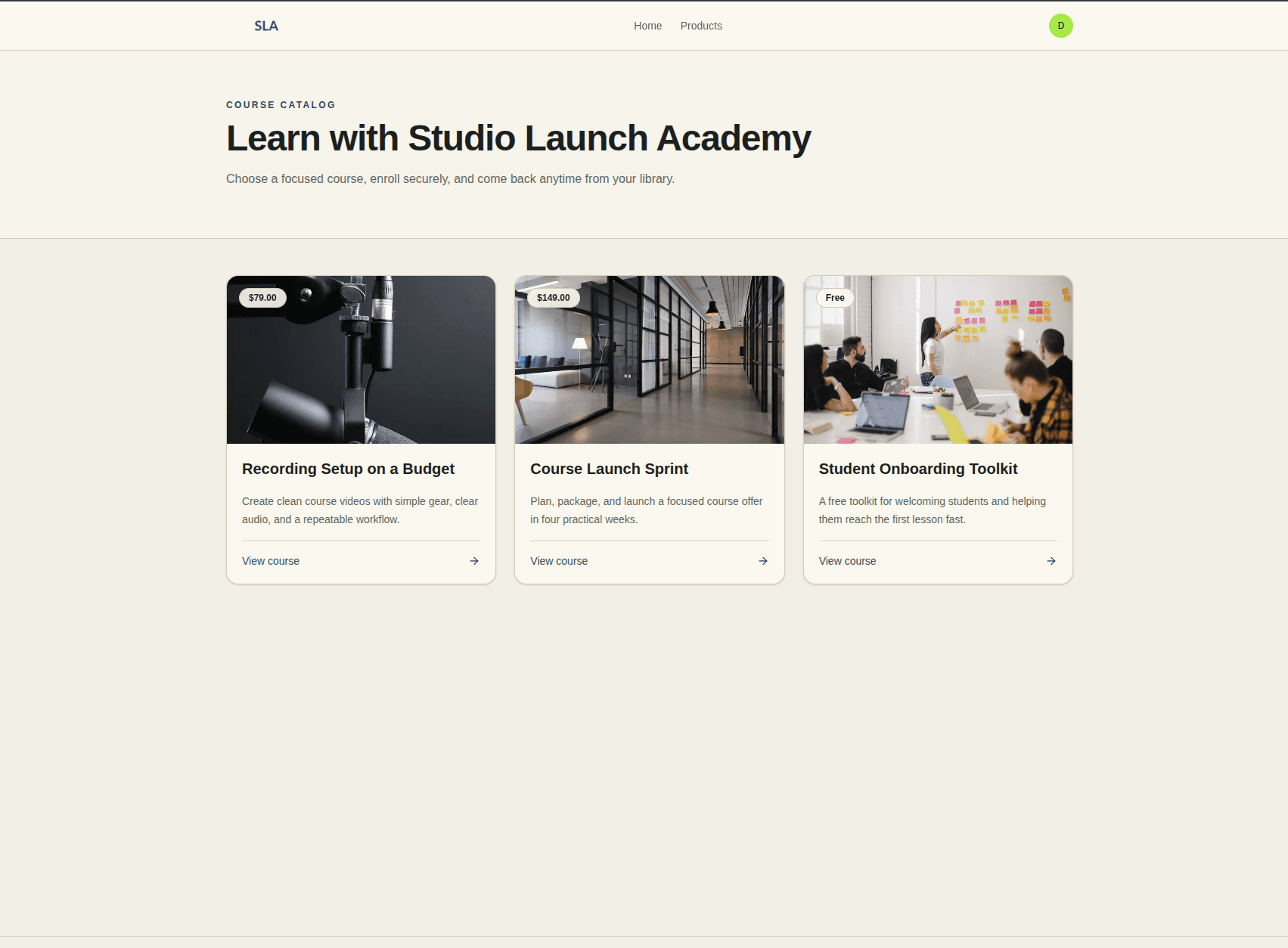
Many course pages read like a curriculum dump. That is understandable, because lessons are the thing you have been building. But buyers are usually asking a different set of questions: whether the course is relevant, whether the result is believable, whether the format fits their life, and whether the price feels justified.
| Page section | Job it should do |
|---|---|
| Headline | Name the audience and outcome in plain language. |
| Problem section | Reflect the buyer's current situation accurately. |
| Course path | Show the learning journey without listing every tiny lesson. |
| Proof context | Explain your experience, results, or point of view. |
| FAQ | Answer real buying friction, not filler questions. |
Prepare the first-hour student experience
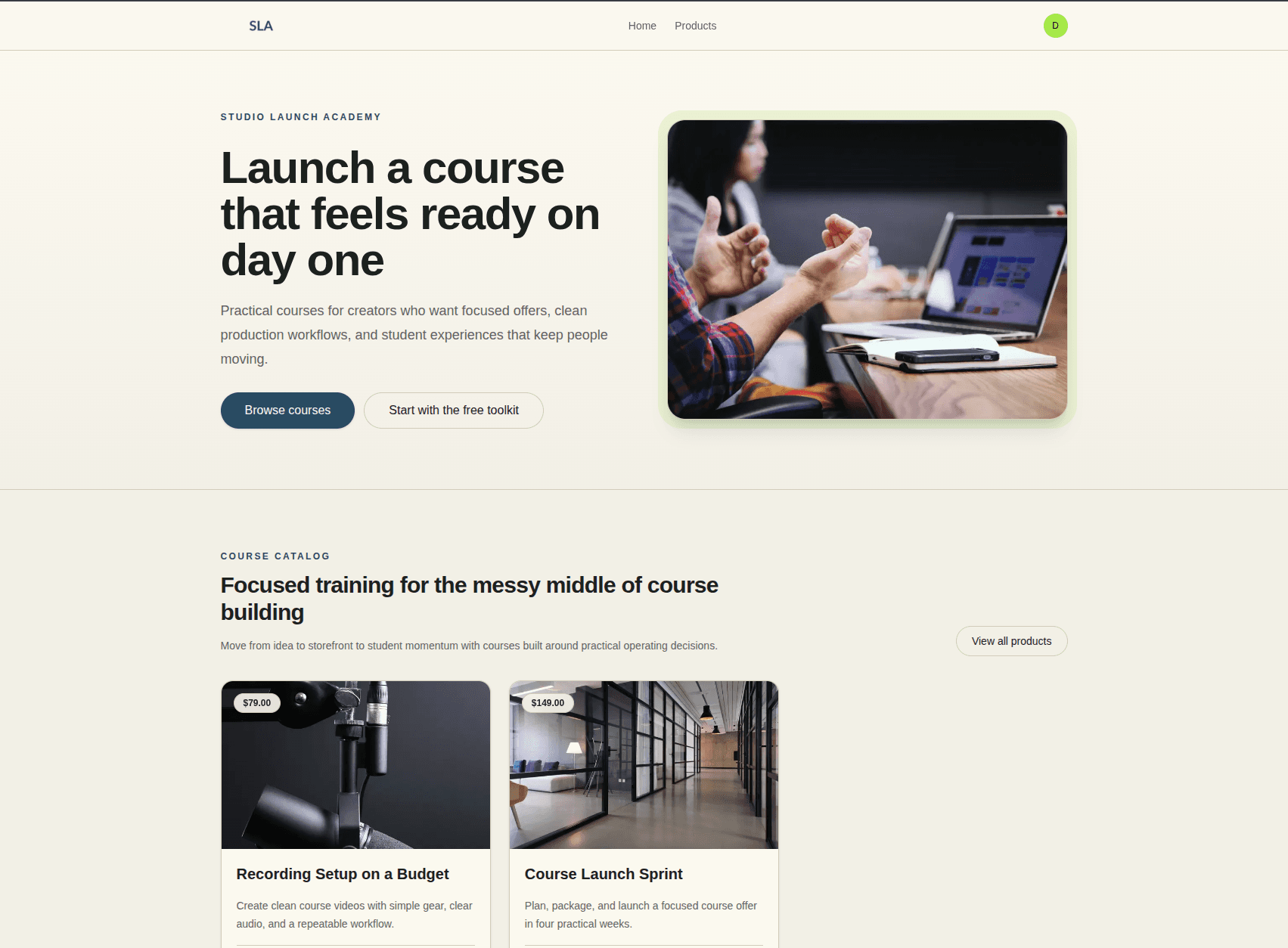
The launch is not finished when someone pays. The first hour after purchase is where your course either feels organized and trustworthy or starts to feel like another abandoned login. Treat that first session as part of the product.
- Send students to a clear start point instead of a crowded library.
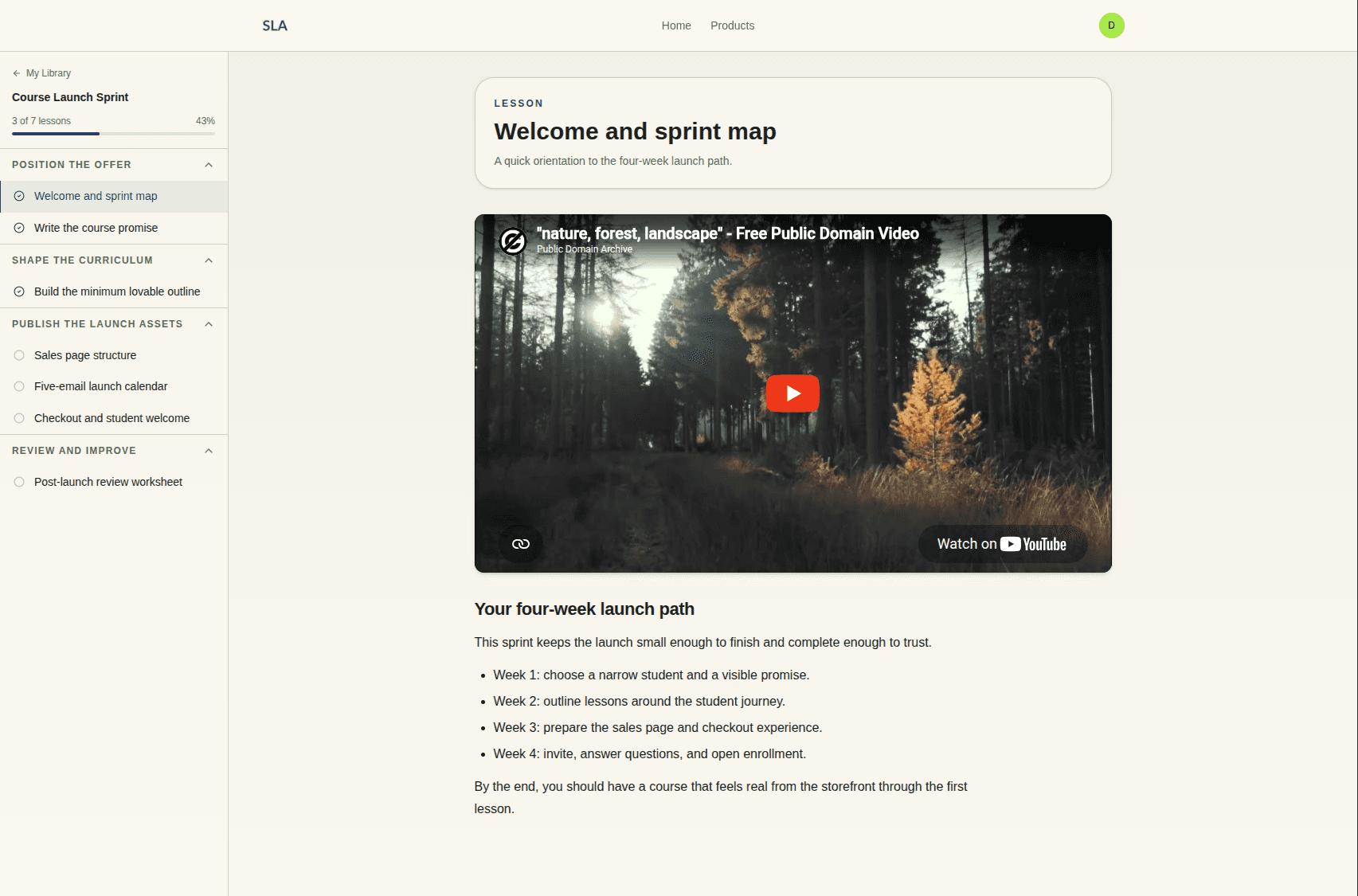
- Open with a welcome lesson that explains what to do first and what to ignore for now.
- Give them one short action that confirms they are in the right place.
- Make progress visible without making slower learners feel behind.
- Check the flow on mobile, because many buyers will peek at the course immediately after purchase.
Make the launch path boring on purpose
Launches fail quietly when every message says a different thing. A simple launch path lets the audience hear the same promise from multiple angles: the problem, the desired result, the method, the objections, and the invitation.
- Warm the audience with the problem your course solves.
- Share the course promise and who it is best for.
- Show the course experience, including the first module or first win.
- Handle objections about time, level, fit, and implementation.
- Invite people to buy with one clear call to action.
Run a preflight test before announcing
| Test | What to verify | Why it matters |
|---|---|---|
| Sales page scan | A new visitor understands the offer in under a minute. | Search visitors and warm leads both need quick clarity. |
| Checkout test | Payment, confirmation, and account creation work smoothly. | A broken purchase path wastes launch demand. |
| Student start test | A buyer can find the first lesson without help. | Early friction lowers confidence immediately. |
| Email test | Receipts, welcome emails, and links point to the right place. | Operational trust is part of the product. |
What to postpone until after the first launch
Postponing is not the same as neglecting. It is how you protect the work that actually creates revenue and student trust. Add complexity after you know the offer is worth expanding.
- A large course catalog when you only have one proven flagship offer.
- Complex bundles before buyers understand the main course.
- Advanced automation before the manual launch flow is proven.
- Community spaces unless peer interaction is necessary for the outcome.
- Certificates, badges, or extras that do not affect the purchase decision or student result.
Platform note
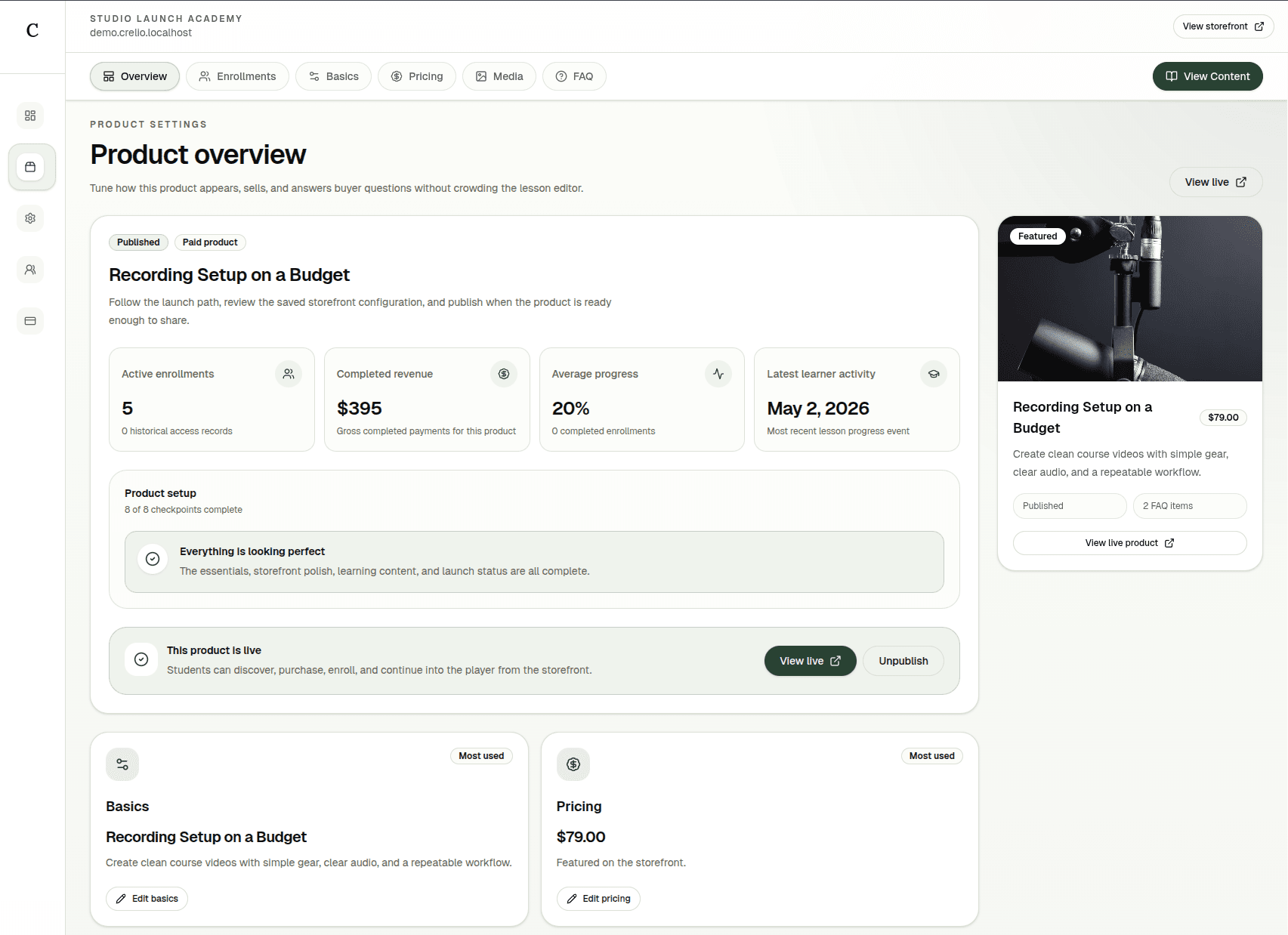
If your current course platform makes the sales page feel generic, the checkout feel patched together, or the first lesson hard to find, the platform is now part of the launch risk.
Launching one premium course?
Crelio is being built for founder-led flagship course launches where setup quality and student experience matter.
Start early accessFrequently asked questions
How long should a course launch checklist be?
Long enough to cover offer clarity, page readiness, payment flow, first-lesson experience, and launch messaging. If the checklist turns into a huge operations manual, it may be hiding unclear priorities.
Should I finish every lesson before launching?
For a self-paced course, students should receive what was promised when they buy. Some creators launch a cohort or beta with a clear delivery schedule, but that needs transparent expectations and enough material for early students to get value immediately.
What is the most common course launch mistake?
Building the course around what the creator wants to teach instead of what the buyer is trying to solve. The curriculum matters, but the launch needs to begin with the customer's situation and desired outcome.
How should a solo creator choose launch tools?
Choose tools that reduce the number of decisions between offer, payment, and student access. A tool with more features is not automatically better if it creates more setup work than the launch needs.